Learning Resource Center

Welcome!

Your one-stop, no-cost library for building stronger recovery housing and support programs — courses, guides, webinars, podcasts, NAADAC CE opportunities, research, and more.

Whether you’re opening your first recovery home, leading an established program, working as a peer or recovery support provider, or a community partner, there’s something here for you.

ExploreLearnGrow

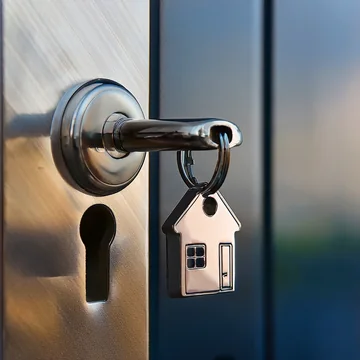
A key with a house keyring in a front door
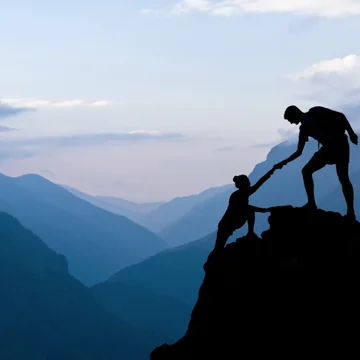
One hiker helping another up to a mountaintop
Learning Center Support
Newsletter

May 2026: Handle Challenging Behavior in Your Recovery Home

Carmin Long and Alan Muia on resident behavior in rural recovery homes — taming the “lizard brain,” the distinction between the person and the behavior, and a worksheet to work it through.

Newsletter

September 2026: Understand and Overcome Recovery House Financial Challenges

Explore the financial and housing challenges affecting the sustainability of recovery residences and the research identifying strategies to address them. Highlighting barriers to stable recovery housing, the importance of diversified funding, strong business practices, and how research is being translated into practical tools and approaches to strengthen long-term recovery housing sustainability.

Newsletter

January 2026: Artificial Intelligence Is Helping Overcome Geographic and Financial Barriers to Recovery

OpenRecovery’s Zachary Gidwitz and Alex Weber on what AI in recovery is and is not, how to get it right, and an introduction to Kai, a therapist-led, AI-supported mental health platform — including how readers can shape it.

Newsletter

July 2026: Understand How Co-Occurring Disorders May Be Affecting Your Residents and Clients

Co-occurring disorder expert Geoff Wilson on dual diagnosis — how common it is, the barriers that keep it untreated, and what works best in rural communities.

Newsletter

December 2023: Why Confidentiality Is Essential and How to Protect It

Why confidentiality is a sacred duty in recovery, the legal and ethical obligations it carries, and the particular difficulty of privacy in rural communities where everyone knows everyone.

Newsletter

February 2026: Latest Withdrawal Management Tools and Techniques

Three non-pharmaceutical withdrawal management tools — AcuDetox acupuncture, biofeedback training and neuro-electrode treatment — and why none of them stands alone.

Newsletter

March 2026: Identify Trauma and Provide Clients with Appropriate Trauma-Informed Care

Cecily McMillan, author of The Scars of the Chosen, on trauma as an inside job, why our hardest habits are survival strategies, and a three-part resiliency toolkit.

Newsletter

September 2025: How to De-Escalate and Resolve Any Kind of Conflict

Conflict resolution expert Sal Corbin on why avoiding conflict carries its own cost, the skillset for handling it, and what to actually do in the moment.

Newsletter

October 2025: Everything You Need to Know about Deflection, Including Challenges Unique to Rural Areas

Treatment Alternatives for Safer Communities (TASC)’s Jac Charlier, Guy Farina, and Sydney Goggins on deflection — the six pathways that route people to treatment instead of arrest, the rural obstacles, and how to start a program.

Newsletter

September 2023: What Can Recovery Allies Do?

Recovery Allies author Alison Webb on recovery capital in its personal, social and community forms, and the actions allies can take — marking Recovery Month and the 60 million Americans in recovery.

Success Story

Better Foundation

New Foundations, a nonprofit transitional housing provider with 11 facilities serving rural communities in Ohio and Kentucky, provides fully furnished move-in-ready sober living options for those in recovery. Known for its size, level of support, and emphasis on accountability, New Foundations nevertheless needed help.

Success Story

It Takes a Village

Never Alone Recovery Support Services on the Flathead Indian Reservation in Pablo, Montana stands out in many ways. "But the big difference," says Executive Director Don Roberts, "is that we heal as a community, with our families, the people we know, the people we grew up with, the people we love. Recovery in isolation is very difficult.

Showing 12 of 206 resources
Load More
In Partnership With

Interested in Partnering or Have an Idea to Share?
Get in Touch!

Fletcher Group is a RCORP Rural Center of Excellence in Substance Use Disorder Recovery

www.hrsa.org

The Learning Center is supported by the Health Resources and Services Administration (HRSA) of the U.S. Department of Health and Human Services (HHS) as part of an award totaling $3.3 million, with 0% financed with non-governmental sources. The contents are those of the author(s) and do not necessarily represent the official views of, nor an endorsement, by HRSA, HHS, or the U.S. Government.